Wednesday, August 16, 2023

Patterns


I considered beginning a post showcasing various patterns I've been observing and capturing. Let's observe how this evolves. (C) Thilanka M. Siriwardana


Sea... Antibes
 
 
Roman Forum

Roman Forum 

Roman Forum 

Roman Forum  - Wall

Herculaneum - floor

Herculaneum - floor 
 
Herculaneum - ash/net

Herculaneum - floor 

Herculaneum - wooden fence

Pomapeii - floor 

 Pomapeii -wall
 
Pomapeii - floor 

 Pomapeii - floor

Pomapeii - floor 

Pomapeii - wall

Pomapeii - road

Pomapeii - floor 

Pomapeii - road

Pomapeii - road
 
Lighthouse- Punguduthivu

Castle tower - Bergamo

Floor - Fort Royal de l'Île Sainte-Marguerite

Roof -  Fort Royal de l'Île Sainte-Marguerite
 
Moss - Fort Royal de l'Île Sainte-Marguerite

Wall - Fort Royal de l'Île Sainte-Marguerite
 
Reflection of a swan - Sirimione

Pebble beaches - Sirimione


Pebble beaches - Sirimione

                                                                       Brick Floor - Sirimione

                                                             Bundala - Beach_Dune formations

                                                                   Leopard on a tree - Yala


                                                                            Street - Turin

Sky - Sydney

Sedimentary rock formation - Cinque Terre

Sea - Cinque Terre

                       Ossuary  - Santuario di San Bernardino alle Ossa (Photo credits Pramuditha Manusinghe)

                                                                Me and a dog at beach - Bundala


Monday, August 7, 2023

Life and comfort zone

We often find comfort in our familiar spaces – they're cozy and everything seems fine there, at least as far as our feelings tell us. But there's a saying: "Don't just stay in your comfort zone." This is because nothing can thrive and grow in a comfort zone – it's like infertile soil.
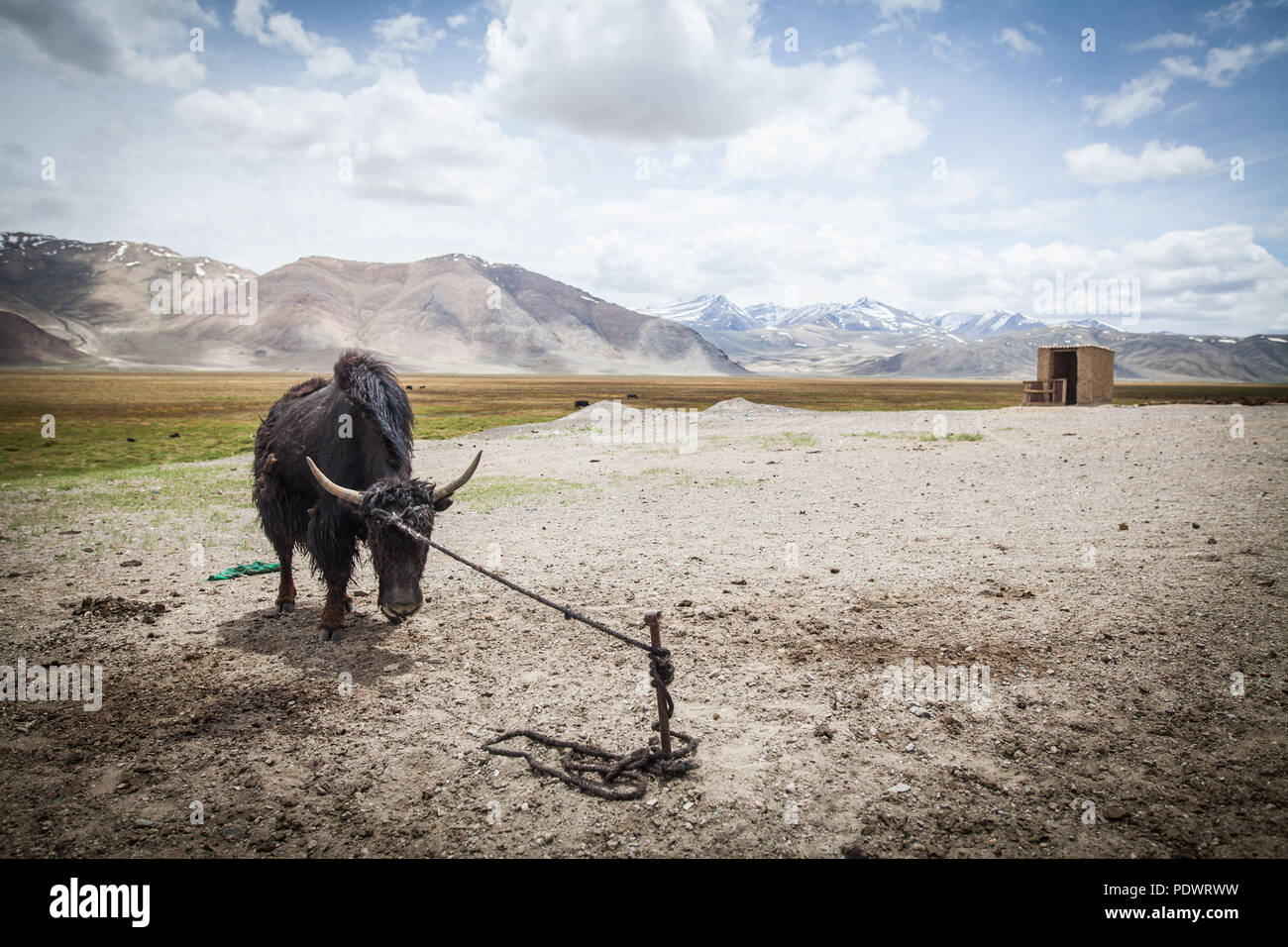
Cow tied pole hi-res stock photography and images - Alamy 

Think of it like a cow tied to a pole. We can see the lush green meadows beyond the reach of our rope, yet we remain content in our own space where things are alright. But is it really that easy to venture out and reach those greener pastures? Surprisingly, it can be. With sufficient motivation and a clear goal, anyone can make their way to that meadow, leaving behind their comfort zone. However, this is where things start to get complex.

First, there's the challenge of not knowing how to extend that rope – the rope being a symbol of our ambitions, goals, aspirations, and even our daily routines. How can we expand these horizons when our mindset remains the same? How can we think of new possibilities using the same old thoughts?

Second, there's the matter of limitations. Some might exert extra effort and break free from the rope, essentially leaving their current lifestyle behind to freely explore the meadow. They can roam wherever they please, enjoying the ultimate freedom to expand their experiences. Later, I'll delve into this group a bit more.

Third, there's a small pole that holds us and our rope. This pole represents our family, our loved ones, our commitments – the center of our world. Although we might not realize it, this core pole connects to many other ropes that tie us to our family, creating a network of relationships. These ties could be as diverse as dung beetles, ants, butterflies, worms, or pigs – symbolizing various aspects of life. This interconnectedness is why we remain content and connected in our small, self-sustained comfort zone. If we decide to move our comfort zone elsewhere, we can simply uproot the pole and take it with us. However, here lies the issue – what will happen to the comfort zones of those connected to us? Will they feel the same contentment while we chase our goals? Will their experience be as fulfilling as before, in that small, self-sustained world of love?

As I contemplated different life perspectives from various writers, a recurring theme was the second point: breaking or extending the rope. Some shared stories of breaking free and exploring extensively, only to realize the importance of staying connected to that small pole with a rope. The only mindset devoid of attachment is the enlightened one, a state far removed from our discussion on comfort zones. In any scenario, a bond, an attachment, a sense of belonging is essential. The rope should never break; it must remain intact, guiding us back to our core and connecting us with other cherished individuals.

So, it's not as simple as the advice to "step out of your comfort zone" and experience life. The "new me" with an expanded comfort zone could upset the balance for others in the zone. Could the dung beetles survive? Would the ants be left behind? Essentially, our pursuit of an expanded life might limit the experiences of others. They might follow us because of their love for us, but will their journey be as fulfilling? Even those attached to the same pole might have different inclinations when it comes to exploring the meadow.

This is where I believe many psychological advices might falter. Striving for self-improvement could inadvertently compromise the happiness of others. It disrupts the equilibrium of the system, introducing numerous threshold points to navigate. As we pass these points, new systems might emerge while the old ones crumble. Maintaining balance within this system becomes a challenge.

Perhaps the solution lies in challenging the notion that "nothing grows in your comfort zone." Maybe we can foster growth within our zone itself – transforming ourselves, like a cow turning into a farmer. In doing so, the cow doesn't need to wander the world in search of sustenance. Instead, it finds ways to cultivate and sustain its comfort zone more deeply. Alternatively, we could contemplate taking on different forms to harmonize with our loved ones. I deeply respect those who choose to remain in their comfort zones, maintaining balance. It takes immense strength to stay put even when there are opportunities for expansion. I also hold in high regard those who adjust their comfort zones to accompany their loved ones, embracing new limits. I am personally grateful to my wife, Pramu, and my two kids, who endured pain, loneliness, and hardships due to my ventures. I love and respect them deeply. In my case, I may not have completely transformed myself, but I did give it my best shot. Being an online student is no easy feat.

Ultimately, life revolves around pushing our limits and finding balance. The journey involves navigating threshold points and discovering ways to live harmoniously. The expansion of our life experiences is a positive pursuit, but it must benefit everyone involved. If not, we must thoroughly understand the experiences of our loved ones who are stepping into the uncharted territories of their lives. Is that their new comfort zone?

Image copyrigts - https://www.alamy.com/color-image-of-a-yak-tied-to-a-pole-in-tajikistan-image215082501.htmlhttps://www.alamy.com/color-image-of-a-yak-tied-to-a-pole-in-tajikistan-image215082501.htmlhttps://www.alamy.com/color-image-of-a-yak-tied-to-a-pole-in-tajikistan-image215082501.html

Thursday, August 3, 2023

Archaeology, Heritage Management and Immortality Project

 This is something went through me while reading Mark Manson's Subtle Art of... which may be equally useful to see another perspective of our heritage, the past. When it comes to Archaeology, my personal view point is the western or so called well known archaeological theory has been highly relying on their philosophy, the oriental thinking still fully not able to incorporate their thoughts in to the past, the Archaeology, which is usually a cyclic nature as well as the uncetainity principle. The way how Lord Buddha used the relics to show the uncertainity and using such as a path to Nirvana.

When it comes to a phase where archaeology is gradually dying to hard science core, while the traditionality being overlooking, the Heritage Management has taken place, which is to my point of view, a mythical being which is none existent. Is it possible for someone to be stand in a free stance to solve a problem of a living culture, in favour of two or multiple parties where everyone are happy? Is it possible to enact such a thing going in to the core of the problem. Is it able to perform something that law and regulations cannot. If it is possible, it is greate and where all the humanity will praise. But the matter is, culture it self in willing to consume another culture and expand.

This is where the Immortality Project comes. Each individual person, family, community, society and country are always in willing to be immortality of their values, their thoughts and belief systems. In such a background, when the past could be a part of such a project, which will need to be managed. Manage what? the Heritage. This is the Heritage Management, which is a part of the Immortality Project. Finding the best solution! yes, it is good, yet Asoka was failed. 

This is where we need the 'bitter antidote', which may rooting from an Oriental or Buddhist thinking, a theoretical school of archaeology, which we will need to form. Such a school may express the true view of the past, the so called Heritage in Lord Buddha's view point, the uncertainity rather than immortality. If one group in this dialogue or the argument can take a single step back and say 'well, we are sticking to our principles, though these are Buddhist remains we had been taught to see all these through their uncertainity', other party can be also stopped. How you may ask? by the law. Then it will come again to the concept of living heritage thing, and one may ask, 'Buddhism is still here, so these are monuments which will need to be reconstructed to their old glory......' yet I may say, hey wait! Yes, it is, these are living. Perfectly living to the words of Lord Buddha. You can go to any living monument which are deteriorating, and medidate about the uncertainity. 

Then what about the past, all the heritage we derived from our ancestors who protect those by giving their life, the dignity? We should not forget that we are not living in future, but past. It is always past. Immortality is for future, protecting these are for future, but still we are living in past. 

tbc....

Friday, May 12, 2023

Conflicting spheres... Note to myself..

Note 1. - In terms of western academic perspectives, am I unaccomplished because I am a 'citizen of a poor third world country'. Do we?

When we adopt a disciplined Buddhist way of life within the context of Western academic studies, there are a few areas where we may encounter challenges or potential conflicts:

* Objectivity and Detachment: Buddhism encourages non-attachment and the cultivation of a clear, unbiased mind. In Western academic studies, however, there is often an emphasis on critical thinking, analysis, and objective observation. Striking a balance between being open-minded and detached while engaging in rigorous academic analysis can be a challenge.

* Concept of Self and Individualism: Buddhist thinking challenges the notion of a fixed, separate self, while Western academic studies often focus on individual contributions, achievements, and personal identity. It can be challenging to navigate the balance between recognizing the interconnectedness of all phenomena and meeting the expectations of individual performance and recognition within academic settings.

* Materialism and Consumerism: Buddhism emphasizes non-attachment to material possessions and the pursuit of inner peace and contentment. Western academic environments may sometimes prioritize material success, status, and consumerism. Remaining true to Buddhist principles in the face of societal pressures and expectations can require conscious effort.

* Competition and Ego-driven Motivations: In Western academia, there can be a strong emphasis on competition, personal achievement, and ego-driven motivations such as career advancement or recognition. Buddhist thinking encourages selflessness, compassion, and the welfare of others. Navigating these different value systems and motivations can be a challenge.

* Ethical Dilemmas: Buddhism places great importance on ethical conduct and compassionate action. However, Western academic studies may present ethical dilemmas or situations where personal or professional values are tested. Balancing the pursuit of knowledge with ethical considerations and the avoidance of harm can require careful reflection and decision-making.

It's important to remember that adopting a Buddhist way of thinking does not mean we have to completely separate ourself from Western academic studies or abandon their principles. Rather, we have to involves integrating Buddhist principles and values into our approach to learning, research, and interactions with others. This can involve being mindful of our actions, cultivating compassion, and seeking harmony between our personal beliefs and the requirements of our academic pursuits. 

In order to raise the awareness of western academics to see what lies beyond their perspective, rather than just allowing them to think 'we westerns and our academic demands', we must penetrate their shells. It was attempted even by many westerners, including George Boole.


Note 2. Ground realities

 During an archaeological exploration in Jaffna, I collaborated with a European colleague. Our focus was on recording surface ceramic scatters and other archaeological sites. While my colleague was proficient in advanced recording applications, we had a disagreement regarding certain site identifications. For a very basic example, the description of an abandoned chena farm we encountered lead to bitter argument. I identified it as an abandoned chena farm, but my colleague believed it to be a shrub forest. This disagreement escalated into an argument where my colleague expressed the view that we lacked knowledge about our own soil, country, and environment. This experience is not uncommon, as I have encountered similar situations with foreign colleagues in the past. The upper level of the situation are likely stems from a perception that Western credentials are more prestigious and influential within academic and professional circles, reinforcing the notion that Westerners often assert their expertise and claim to know everything. If we thoroughly examine their texts and recent publications, we find a substantial amount of information sourced from oriental thinkers and researchers, often presented as their own work. The promotion of recent publications often neglects the contributions of early pioneers and their significant efforts. The direction of this oversight is unclear.